Frank mon RS is located in Bergen Norway and has long tradition as the leading
supplier of submerge cargo pumps to the world tanker market fram-o research and
development department is working continuously upgrading the pump design
to meet all the newest international rules and regulations before you are
entering the cargo tank for servicing the cargo pump always closed the hydro
pressure inlet valve purge the cofferdam and be familiar with the ship's safety
rules also pick up the number of standard tools you need for the service
job from fram-o toolbox before you start the service job study the cargo pumps
service manual carefully description and drawings we will now show you how to
dismantle the new cargo pump SD 125 or SD 150 design number five sequence
number one dismantling of impeller and Waring's dart with dismantling of the
pump support ring the pump support ring is a new design easy to clean and will
also improve the stripping result loosen the bolts lift and secure the support
ring to the pipe stack use a rope for securing loosen the bolts for upper
wearing support then loosen the bolts for impeller hub two turns only
turn the impeller clockwise for easier access and better working condition for
loosening the bolts press down the bolts and pump impeller when the pump impeller
is loose remove the bolts
then remove bolts between volute casing and cargo leg change two of the bolts
with lowering lifting bolts one bolt in each leg
remove rest of the bolts on cargo flange and also between wallet casing and
bearing housing finally the volatile suction cover and pumped impeller is now
hanging in the lowering lifting bolts diagonally positioned on each cargo leg
to avoid damage on the tank top use plastic strips when sliding out the unit
lower the whole unit down carefully turn the lowering lifting bolts in parallel
slide the unit out of the well
remove the upper wearing and inspect it carefully
remove the seal element and the o-ring between impeller and impeller hub
this is normally parts fit for further use but have to be controlled and clean
before assembling the next step is to turn the unit upside down
the suction cover and the impeller can now be dismantled and the parts can be
inspected pay special attention to the Waring's normal radial clearances when
you are approximately 0.2 millimeters we recommend to change the wearing if the
radial clearance is more than approximately 1 millimeter loosen the
locking bracket and remove the locking ring
use the suction Bell mouth to lift out the suction cover
and finally lift up the pump impeller changing of Waring's is a service job
normally done by the crew onboard how frequently depends primarily on type
of cargo some ships discharging cargo with a lot of sediment may have to do
this job several times per year while others carrying only clean oil products
may run for five to ten years before doing any service work on the cargo pump
sequence number two dismantling of double cargo lip seal and cofferdam seal
first dismantle lower part of cofferdam check pipe
then dismantle the impeller hub from the pumps shaft for demonstration we are
here using a mirror showing how to loosen the lock washer remove the bolt
and pull out the impeller hub
impeller hub is pulled out by using extractor from fram-o toolbox
be very careful not to damage our rings and ceramics leave install assembling
cylinder to keep the sure Amex leave in place and to protect the sensitive lips
on the lip seals pull down the seal ring housing with cargo seal the teflon seal
element is sometimes hanging on the bearing housing and must be removed for
controlled dismantle the cargo seal
inspect the parts and change if necessary
fram-o single cargo seal must also be
dismantled changing of cargo seals is also a normal service job on typical
wear and tear parts normally done by the crew on board we recommend to change
both a single and double cargo seal together and they are now delivered as
one spare part take away the assembling cylinder and pull out the ceramic sleeve
and check the parts carefully the ceramic sleeve must be handled very
carefully as it is brittle and may crack if dropped or mishandled if necessary it
is also possible to change all rotating parts in the cargo pump when the pump
unit is still hanging on the pipe stock sequence number three dismantling of
mechanical oil seal or other remaining rotating parts in the cargo pump the
mechanical seal can be dismantled without draining the hydraulic oil from
the pump stack the easiest way to dismantle the mechanical seal is first
to remove the bearing housing from the pump casing when the unit is dismantled
turn it upside down and remove the upper seal ring housing and then the
stationary parts of the mechanical seal use to lifting bolts to take out the
mechanical seal
carefully control the stationary part of the mechanical seal and the teflon seal
element pull out rotating part of mechanical seal by using the special
tool from fram-o toolbox
pay special attention when twisting on the tool for lifting out the seals
rotating parts control the sea face carefully if the seal faces are
destroyed fretting or grooves in the surface they normally can be
reconditioned remember never use grease on the o-ring on the station receipt use
soapy water if it should be necessary sometime in the future to dismantle the
pump shaft ball bearings and backstop unit this can easily be done by
following the instruction in the service manual the same applies for the
hydraulic motor but remember before dismantling the hydraulic motor you have
to drain the hydraulic oil from the pump stack to reduce oil spill to a minimum
use the small air driven drain pump delivered by fram-o then lower the
hydraulic motor by using aphromoo jack and the cargo pump is now dismantled
completely sequence number four assembling sequence
all assembling has to be done in reversed way according to the
dismantling procedure on this pump design we will ask you to pay special
attention to the sure AMEX leave and to the cargo seals the ceramic sleeve is
equal in either ends to increase lifetime the sleeve can be turned 180
degrees the double cargo lid seal must also be installed correctly on this
cargo pump the two springs on the double cargo lip seal are equal no spring with
red marking but the Grove on the seal must be facing down towards the pump
impeller check all seal elements seal grooves and seal faces carefully pay
special attention to the teflon rings and be absolutely sure of no deformation
never install a damaged o ring and be sure of no corrosion cracks dirt etc and
remember use only genuine spare parts also pay attention how to fit the
retainer ring in right position at the end of the ceramic sleeve and in
position on the Splane shaft sequence number 5 pressure testing test running
after the assembling job is finished visual check the cargo pump and the
cargo tank no rags or other components must be left in the cargo tank pressure
test the cargo pumps cofferdam with the 3 bar pressure the cofferdam must be
pressure tested by blinding off the cofferdam vent pipe unscrew the complete
air relief valve and connect a pressure gauge to the connection
connect the air nitrogen connection on top cover plate increase the pressure to
maximum 3 bar and control that the pressure is stable for approximately 30
minutes test run the car go pump purge the cofferdam and check that everything
is ok if the hydraulic oil in the cargo pump has been drained during the service
job da aerate the pump snack through the air venting plug on deck before test
running by following these instructions you will achieve a long-lasting well
functioning cargo pumping systems
 For more infomation >> Acusado de agressão e abuso, Biel pode entrar na nova temporada de A Fazenda - Duration: 5:43.
 For more infomation >> Ainda no Brasil, Neymar leva Bruna Marquezine para o cinema e os dois são assediados por fãs - Duration: 3:43.
  For more infomation >> Hispana, víctima de un hombre que se atrincheró en un supermercado | Noticiero | Telemundo - Duration: 0:32.
  For more infomation >> Neymar aparece em foto rara com os pais de Bruna Marquezine e quebra a internet - Duration: 3:36.
  For more infomation >> El Salvador: emotivo reencuentro familiar tras días de separación | Noticiero | Telemundo - Duration: 1:49.
  For more infomation >> Após críticas, atriz da Globo fala sobre plástica no nariz e revela a verdade - Duration: 4:11.
 For more infomation >> Inspira BB: MEDO DE CONVERSAR SOBRE O MEDO - Duration: 1:57.
  For more infomation >> DJ Song 😍 Dance Mix Hard Bass DJ 🔥 Old Is God DJ - Hindi DJ Remix Song ! - Duration: 5:35.
 For more infomation >> 新晋港姐神似李嘉欣章子怡?只要不是网红脸,高矮胖瘦都好看 - Duration: 3:21.
  For more infomation >> Meja di Fiegl - Duration: 3:32.
  For more infomation >> Poli Zircon Professional fucile basculante ultraleggero a due canne sovrapposte in calibro 20 - Duration: 8:03.
  For more infomation >> Casada com o presidente da RedeTV!, Daniela Albuquerque dispara: "Dei uma refinada ,... - Duration: 4:44.
  For more infomation >> Completando 36 anos, Daniela Albuquerque recebe "carinho" diferente em fotos nas redes sociais - Duration: 4:00.
  For more infomation >> Isis Valverde diz que está ficando louca com a gravidez; saiba o motivo - Duration: 3:21.

 For more infomation >> Homenaje ASPIP al Tnte Gral PNP(r) Berli Baca Valdivia - 4/4 - Duration: 27:15.
  For more infomation >> TOEICスコアアップに役立つ単語暗記 No.562【thoroughly】 - Duration: 1:12.


 For more infomation >> The Queen's new gift to Prince Harry and Meghan Markle - Duration: 1:33.
  For more infomation >> 胡洁为周立波反击唐爽: 一定会让你好看, 唐爽背景大的不像话 - Duration: 4:08.
  For more infomation >> 周立波再爆猛料, 枪谁放的, 毒品属于谁, 终于真相大白 - Duration: 2:43.
 For more infomation >> NASCAR fans didn't let rain stop their fun at NHMS - Duration: 1:23.

 For more infomation >> 看吴亦凡《中国新说唱》演绎玩味穿搭,最有态度的白T就在他身上 - Duration: 3:31.
  For more infomation >> Roseanne Returning With Priceless New Revenge Show Libs Will Hate – Ratings Will Skyrocket! - Duration: 5:24.


 For more infomation >> Arkansas Wife Speaks on Family's Passing in Branson - Duration: 1:30.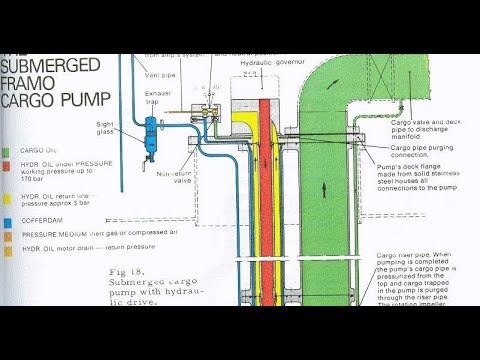

No comments:
Post a Comment